
Attic Insulation in San Antonio
Blown-in, batts, spray foam and old insulation removal — no roof job required.
Why the Attic Matters in This Climate
San Antonio sits in a hot climate. Heat tries to push through the ceiling all summer, and thin or uneven attic insulation lets it. Rooms upstairs run hotter, the AC runs longer, and the roof deck sees more heat from below when the attic is under-insulated and under-ventilated.
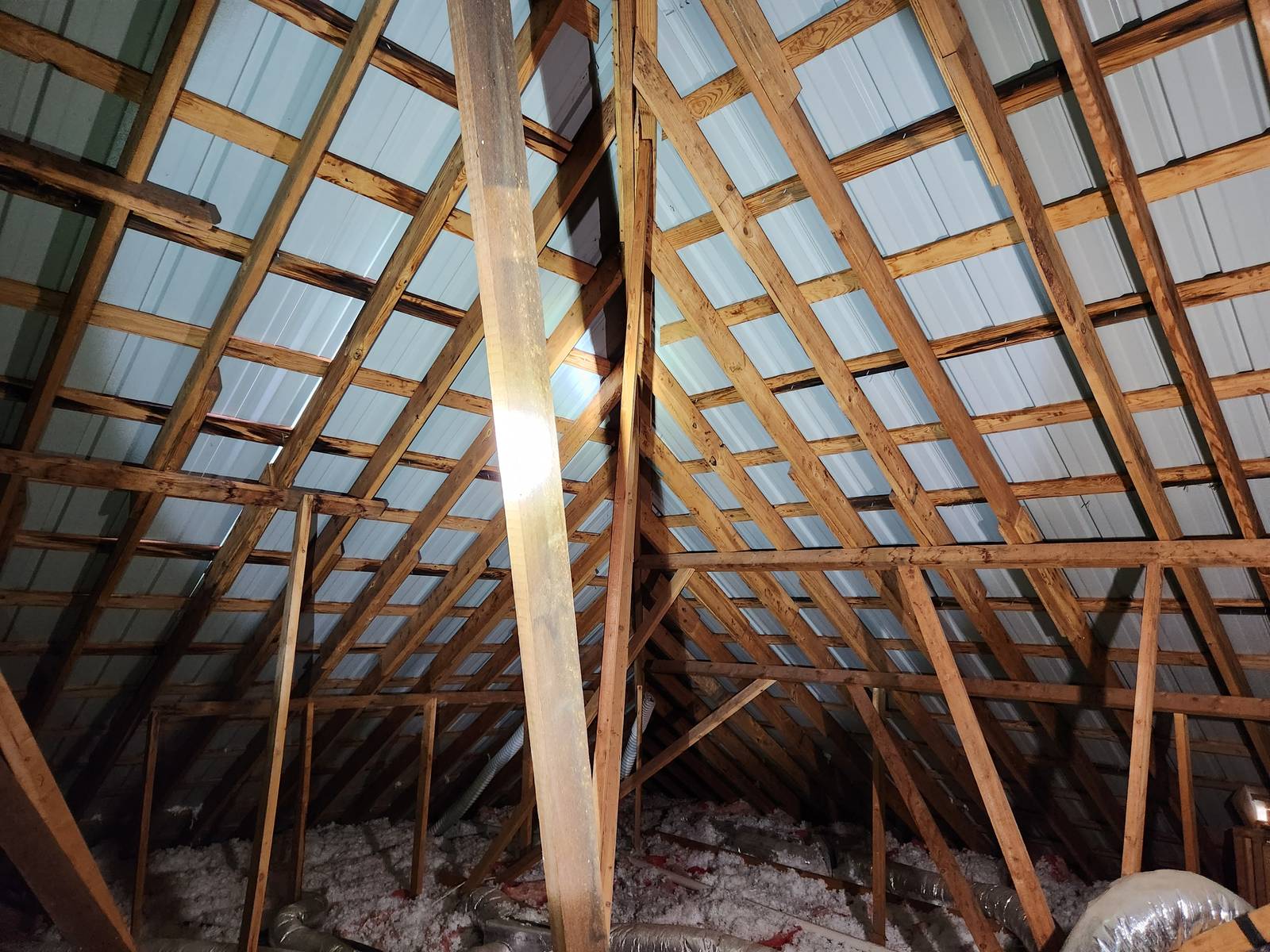
Insulation and roof ventilation work together. Insulation slows heat through the ceiling. Ventilation moves hot attic air out. Fixing only one when both are wrong leaves comfort on the table. We look at both when we are already in the attic for a roof look.
Insulation also shows up on remodel work. On our Construction page we list insulation with framing, drywall and the other basic trades. Same idea: the shell should hold conditioned air where it belongs.
What We Install
We install attic insulation as its own job or alongside a roof or remodel:
- Blown-in (loose-fill) insulation
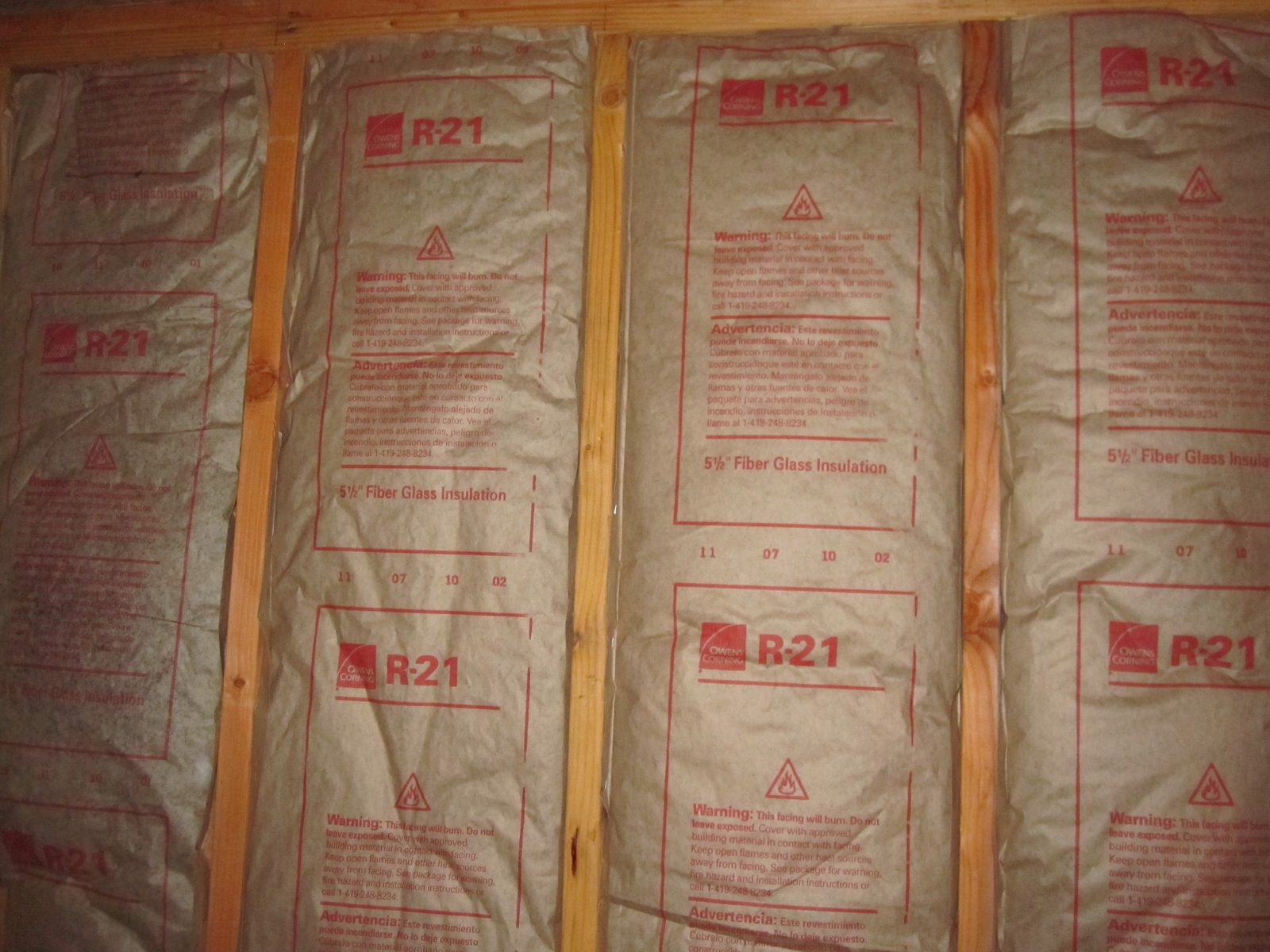
- Batt insulation
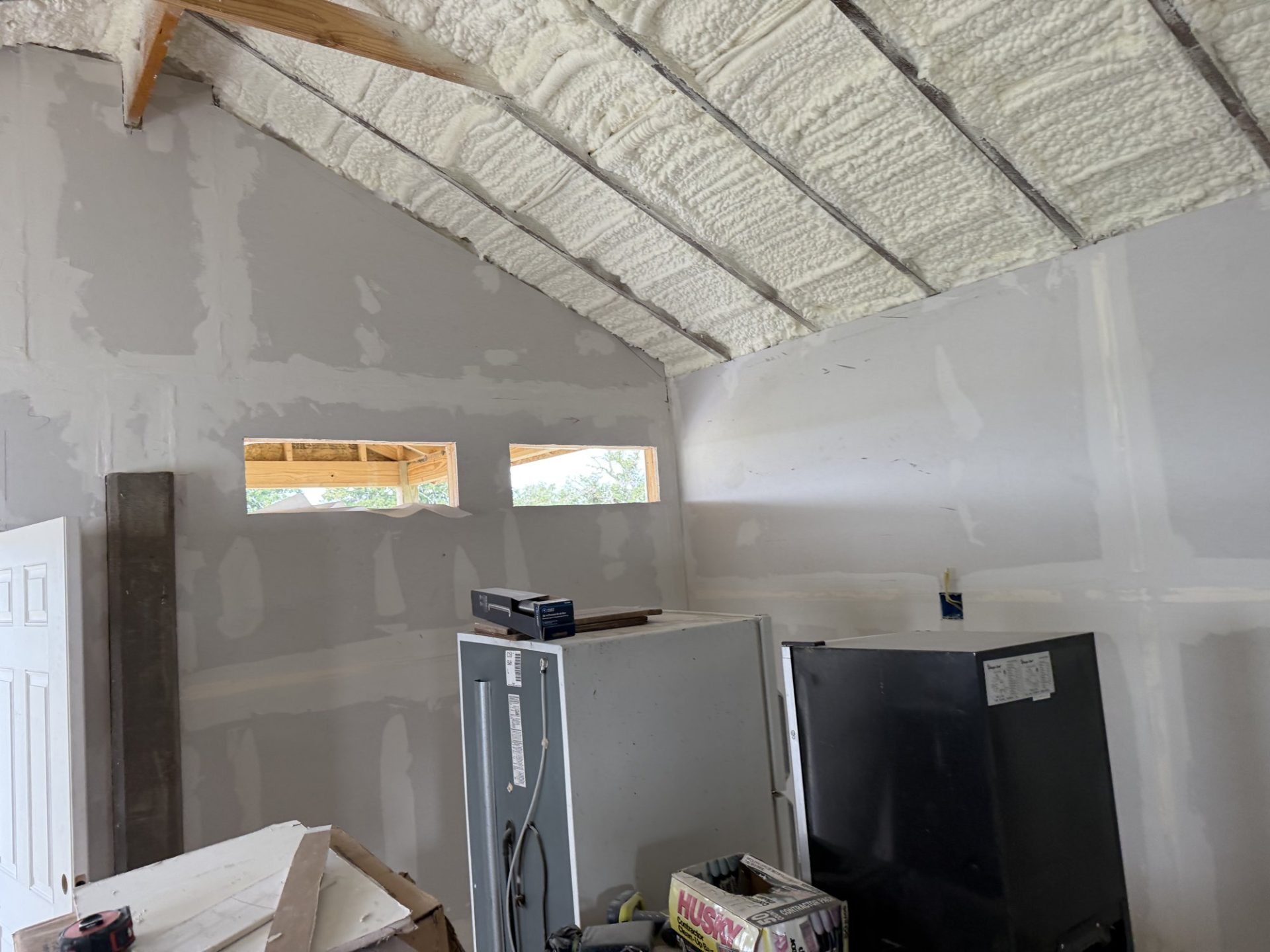
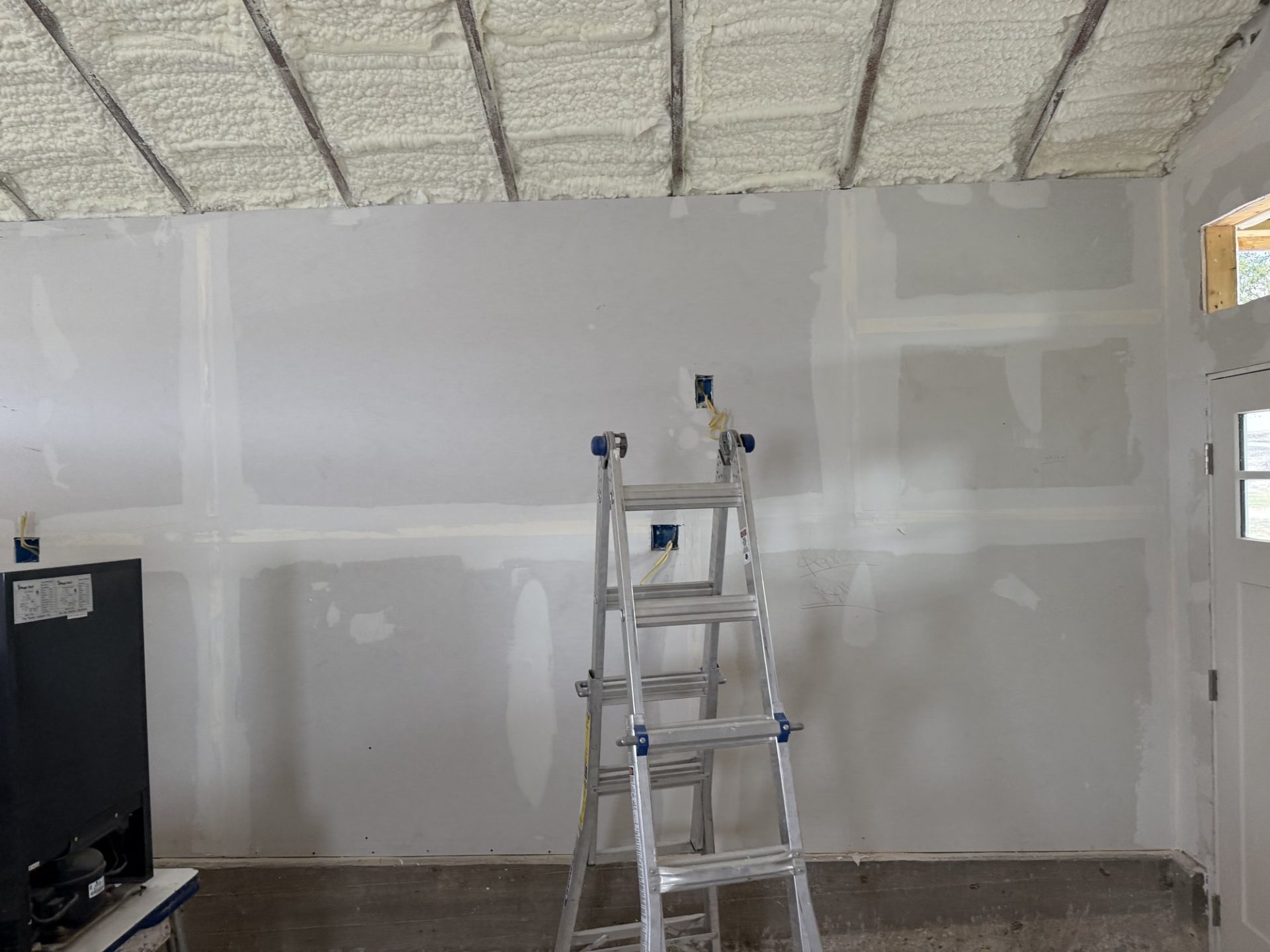
- Spray foam
- Old insulation removal
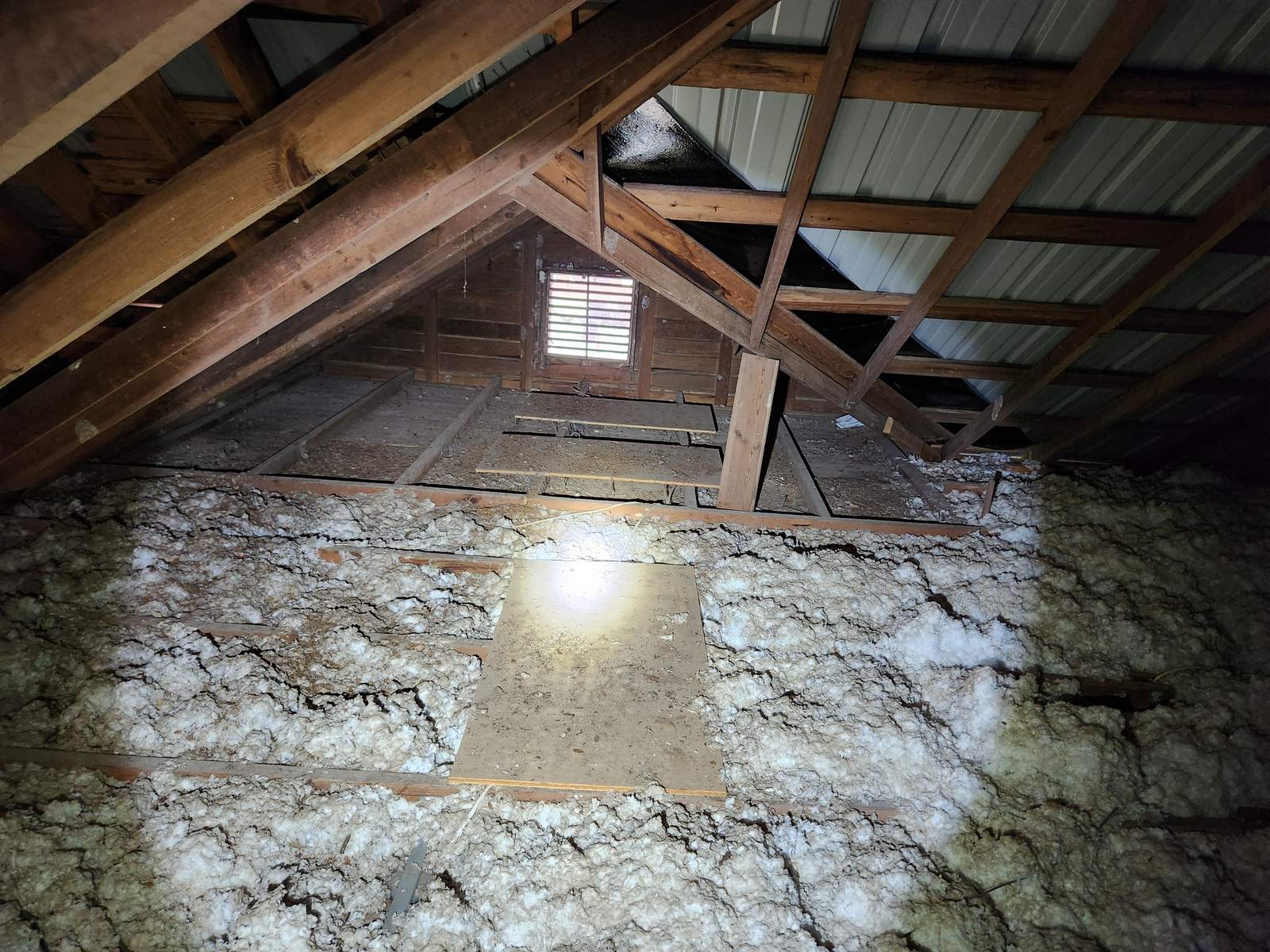
Blown-in (loose-fill). Fiberglass or cellulose blown across the attic floor. It fills around wiring, joists and odd corners better than batts in a finished attic. Depth is marked so you can see the target. Common choice for topping up an existing attic.
Batt (fiberglass blankets). Fits between joists when the bays are open and regular. Gaps, compression and poor fits cut performance. Fine in the right layout; not always the best retrofit for a cluttered attic.
Spray foam. Foam at the roof deck is a different system. It often turns the attic into an unvented space, so adding roof or soffit vents to that setup can hurt it. We install spray foam when that is the right fit, and we will say so if your attic should stay vented instead.
R-value is the rating for how well insulation resists heat flow. Higher R means more resistance. Depth and even coverage matter as much as the label on the bag.
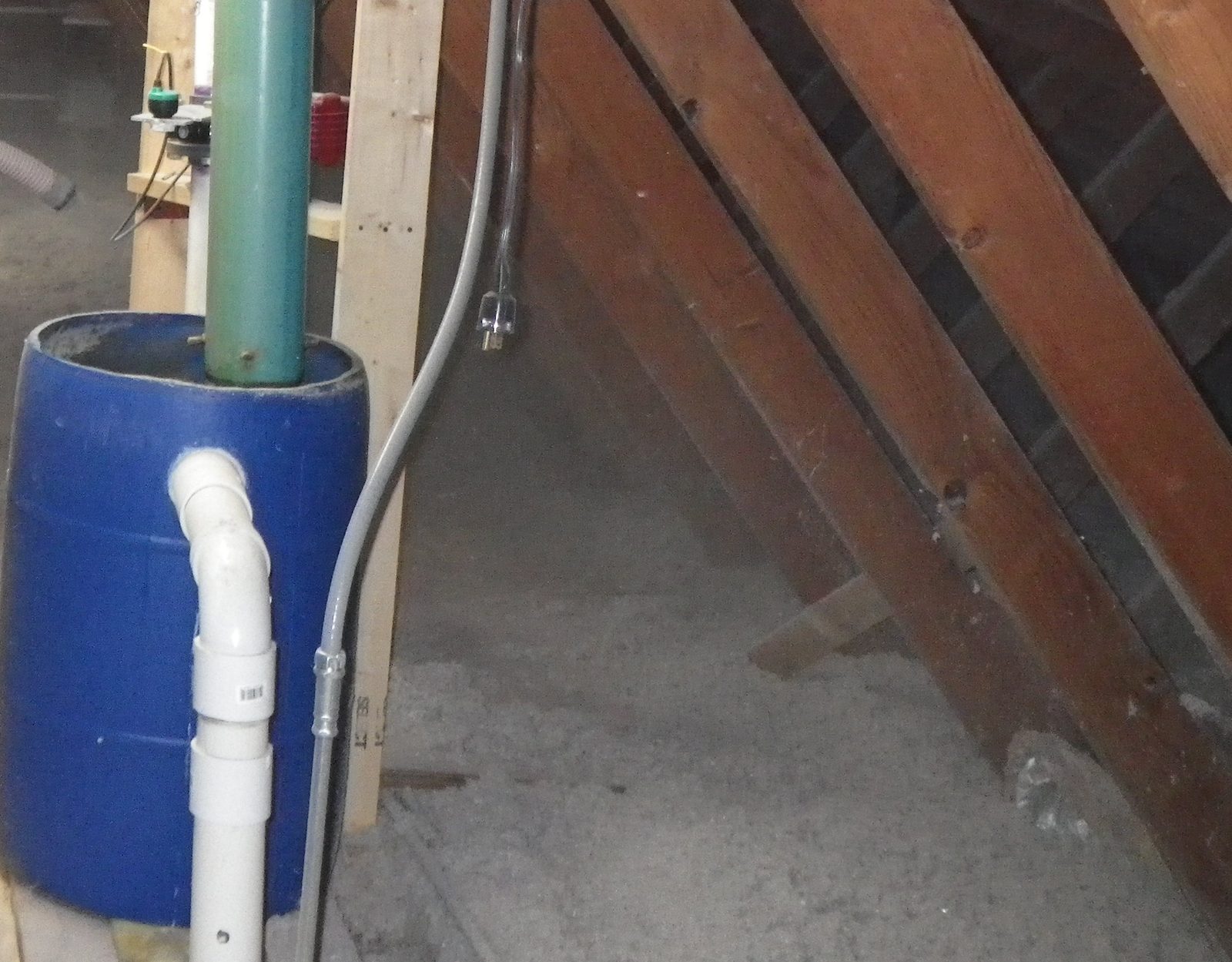
Insulation Photos
Recommended Levels for This Climate
San Antonio is in IECC / ENERGY STAR Climate Zone 2. For retrofitting an existing wood-framed attic, ENERGY STAR’s recommended levels are:
- Uninsulated attic: about R-49
- Already has roughly 3–4 inches: bring it up to about R-38
Source: ENERGY STAR “Recommended Home Insulation R-Values.”
Many older homes we open are thinner than that. A free attic look measures what you have now before anyone talks product.
Our Process
1. Walk-through / attic check
2. Written scope
3. Prep
4. Install
5. Clean-up
If existing insulation is soaked, contaminated, or falling apart, we can remove it first. That is a separate line on the estimate when it applies.
We do this work as its own job or alongside a roof or remodel. You do not have to wait for a roof replacement to add insulation, pull out old material, or have spray foam installed.
Roof Work and Insulation
A roof replacement or major roof repair is a natural time to fix attic depth and ventilation, because you are already paying for access and cleanup. You can also book insulation on its own.
Financing
Financing is available on qualifying work. Ask about it with your estimate, or see Financing Options.
Attic Insulation FAQ
Will new insulation cut my electric bill?
Can I just add more on top of what I have?
Is this the same as a roof inspection?
Thin Attic? Call 418-ROOF
Call or text (210) 418-ROOF, 7 AM to 7 PM. We will check depth, coverage and ventilation and give you a written price before any work.
Related: Roof Ventilation · Construction · Roof Replacement · Financing
