
Roof & Attic Ventilation in San Antonio
Ridge, soffit, turbines, attic fans, and bath/dryer vent fixes — with or without a new roof.
Why Ventilation Matters Here
San Antonio roofs sit under long, hot summers. When attic air has nowhere to go, heat and moisture hang under the deck. That can cook shingles from below, stress decking, and make upstairs rooms harder to cool. Ventilation does not replace insulation, and it is not a magic energy fix, but a balanced system moves hot, damp air out and pulls fresher air in.
A common problem we see on roof inspections is too much exhaust and not enough intake. Someone added roof vents over the years and never opened the soffits, so the system pulls air from the wrong places and the attic stays hot into the evening.
Intake Low, Exhaust High
In a conventional vented attic, outside air enters near the eaves (usually soffit vents) and leaves near the peak (ridge vent, or another high exhaust). Intake and exhaust need to work together. More exhaust alone does not fix a blocked soffit.
Typical pieces:
- Soffit / eave intake — brings cooler outside air in at the lowest edge. Baffles keep insulation from burying those openings.
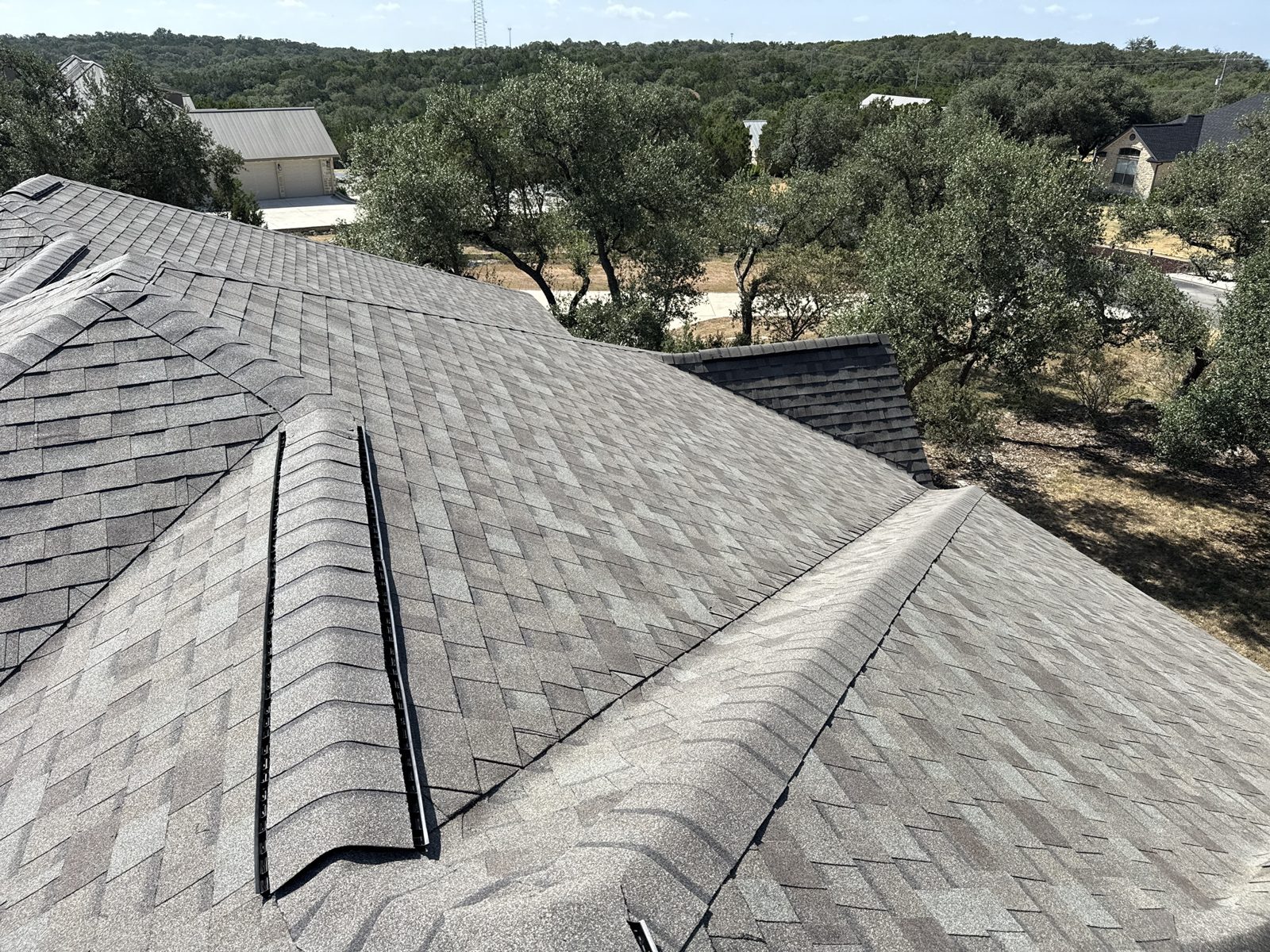
- Ridge vent — continuous exhaust along the peak; clean look when the ridge is long enough.
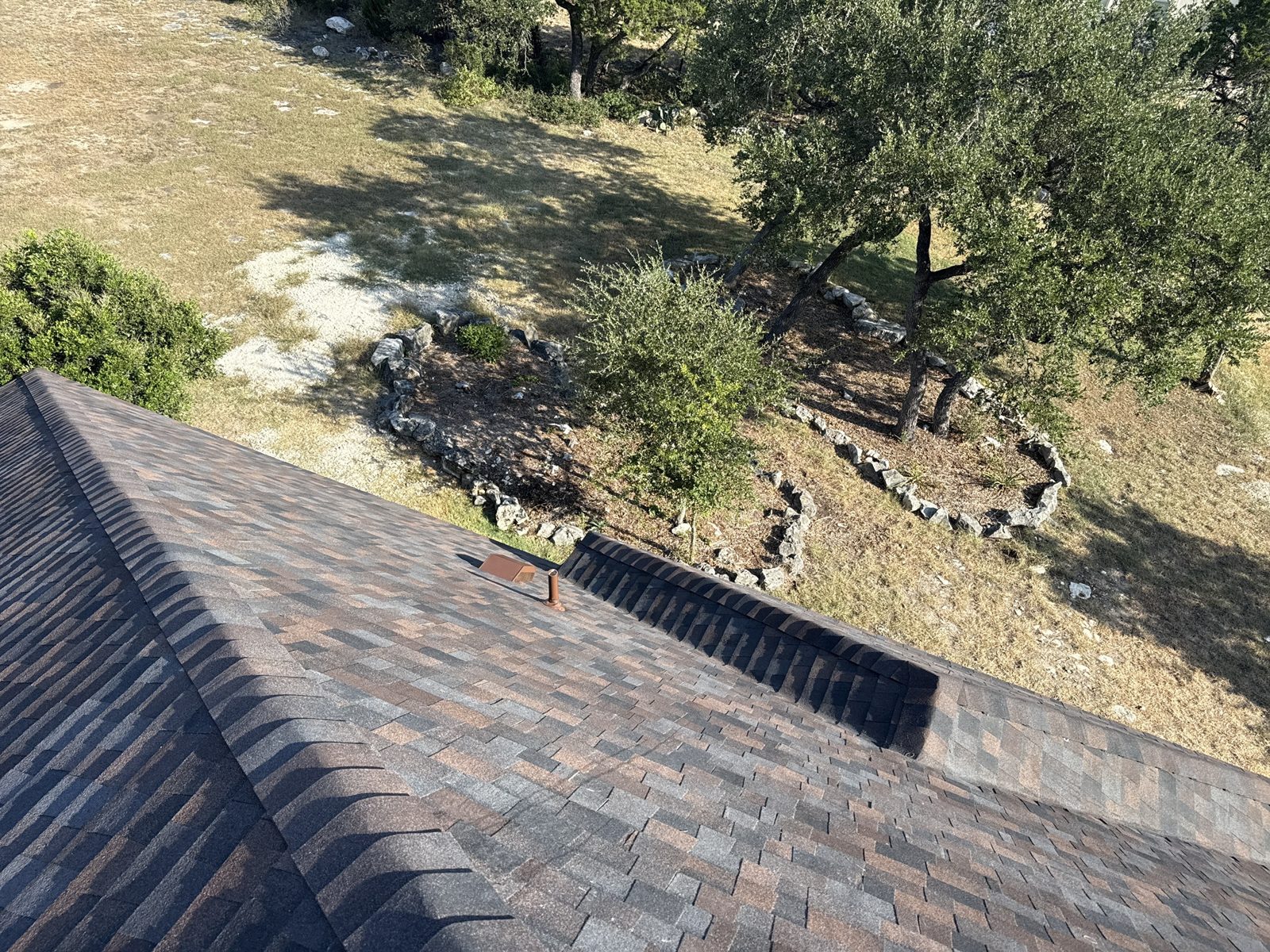
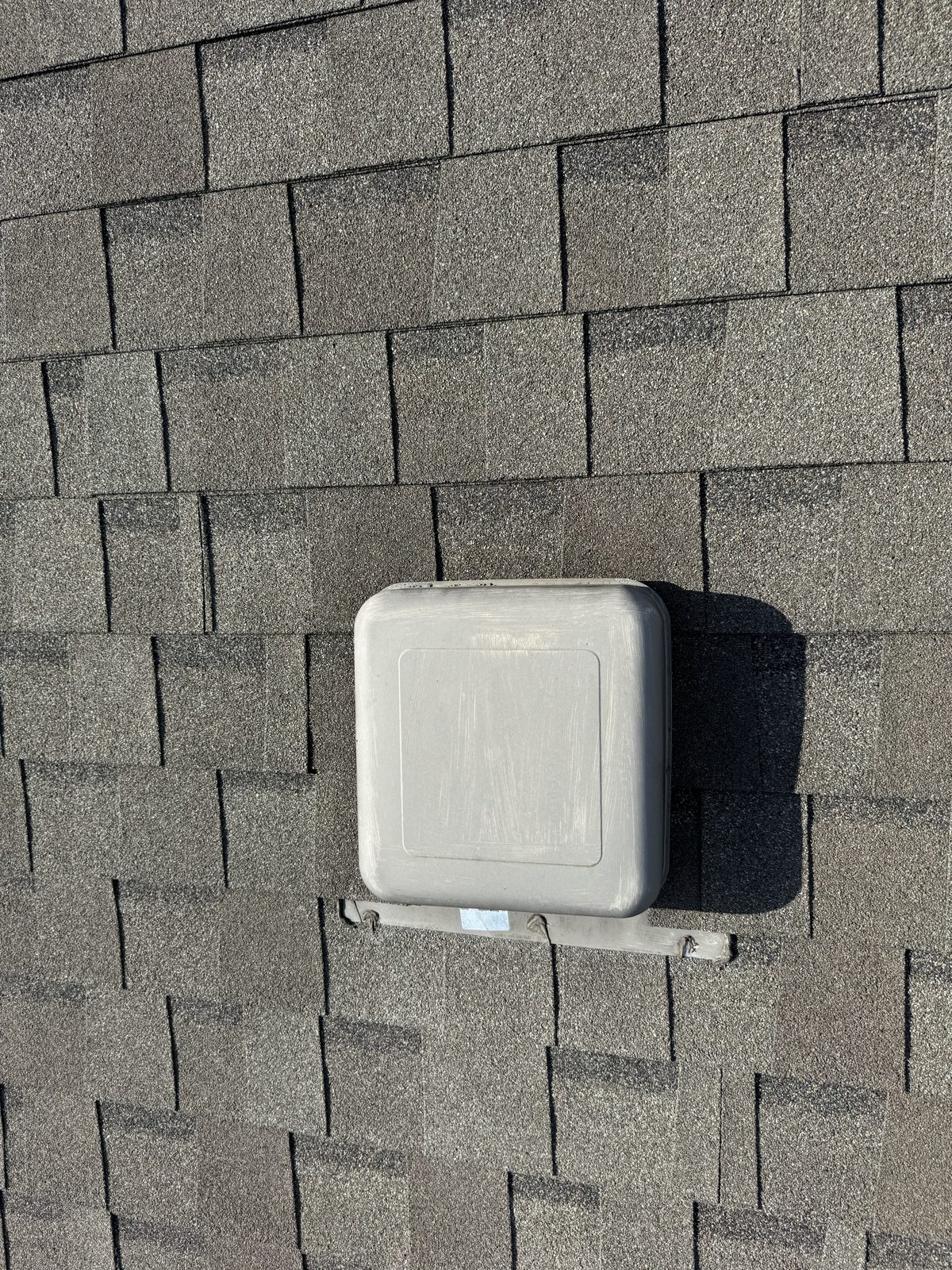
- Static (box) vents — fixed exhaust when a ridge vent is not a fit.
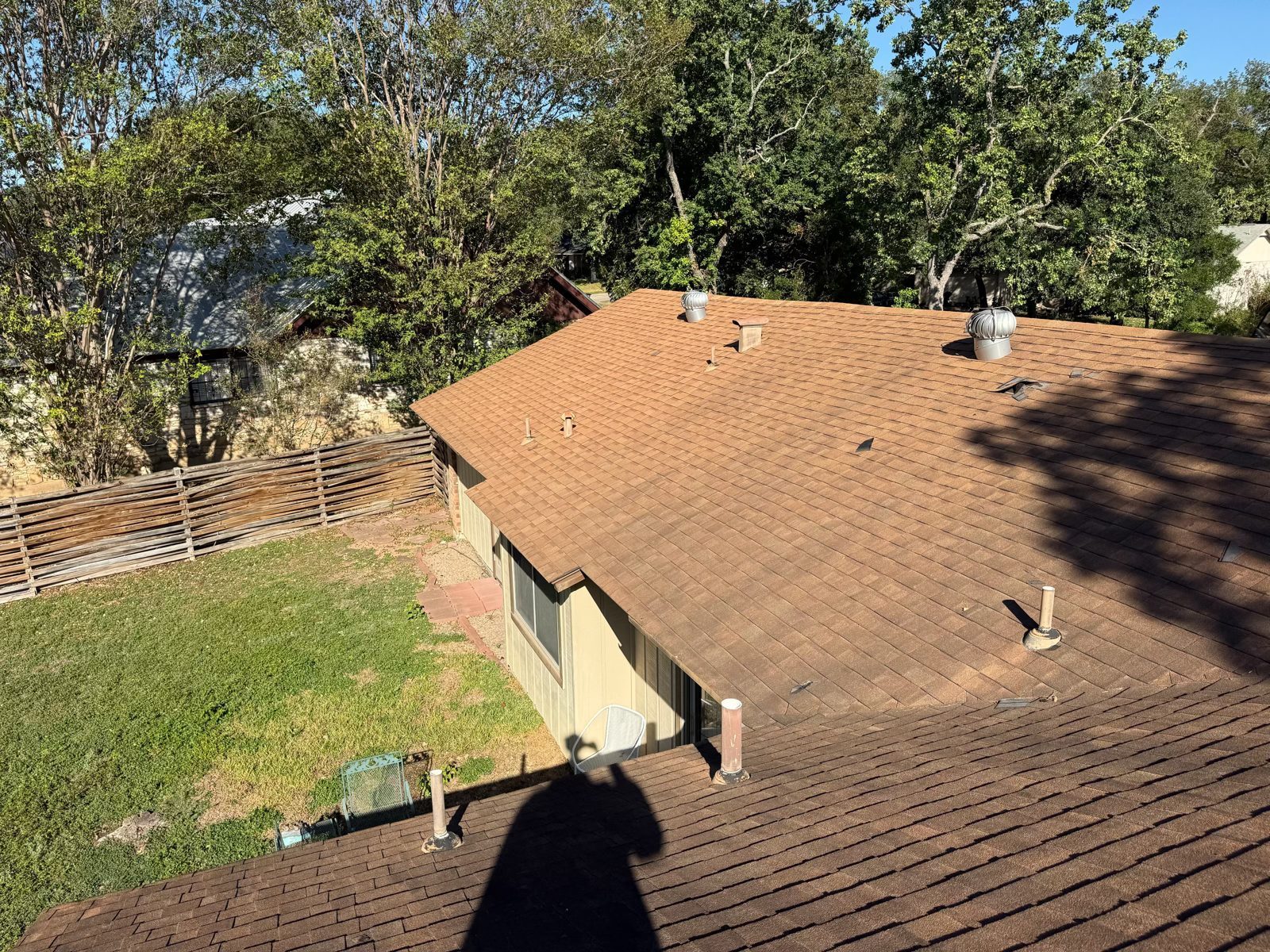
- Turbine vents — wind-driven exhaust; still need real intake.
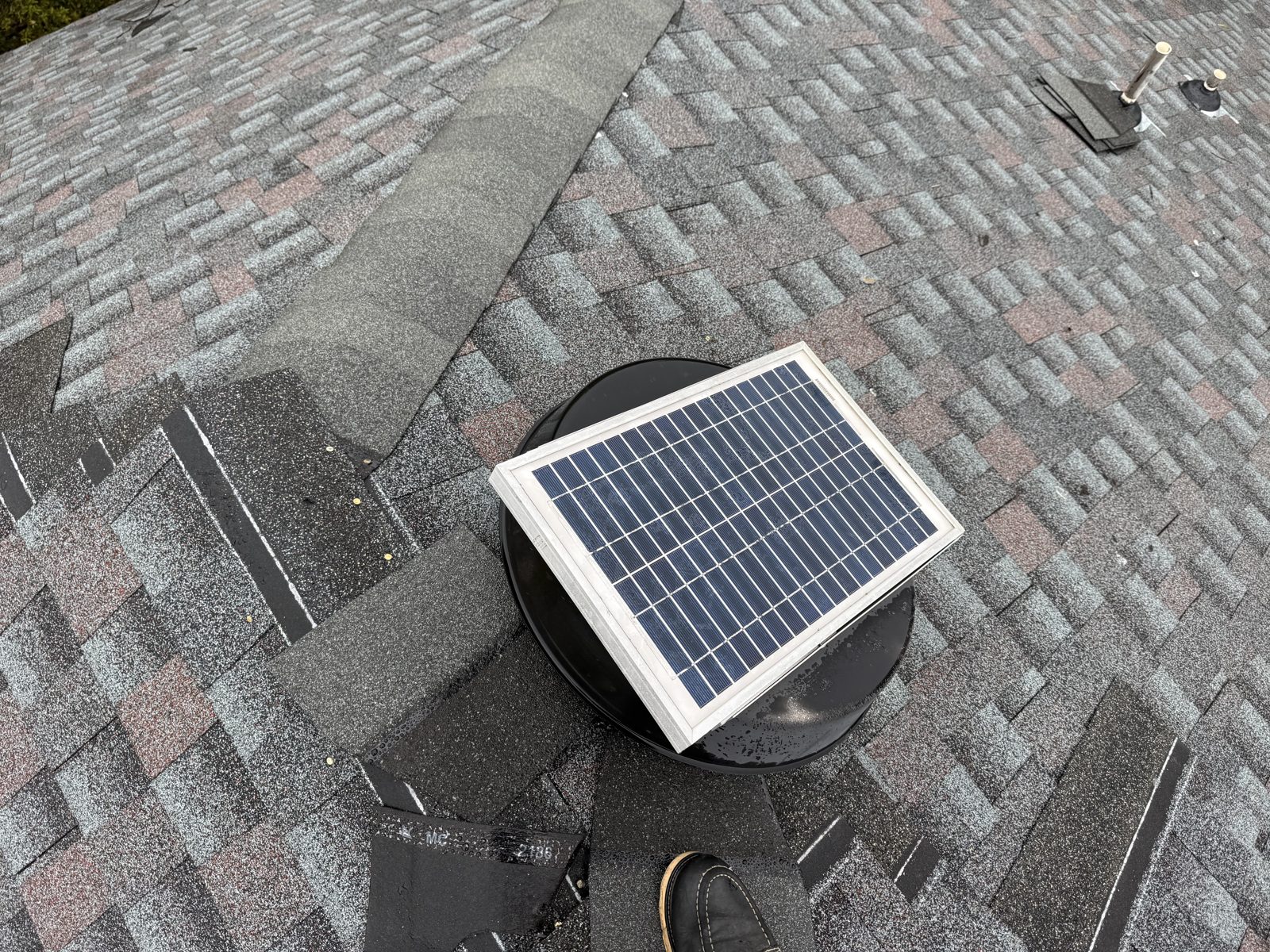
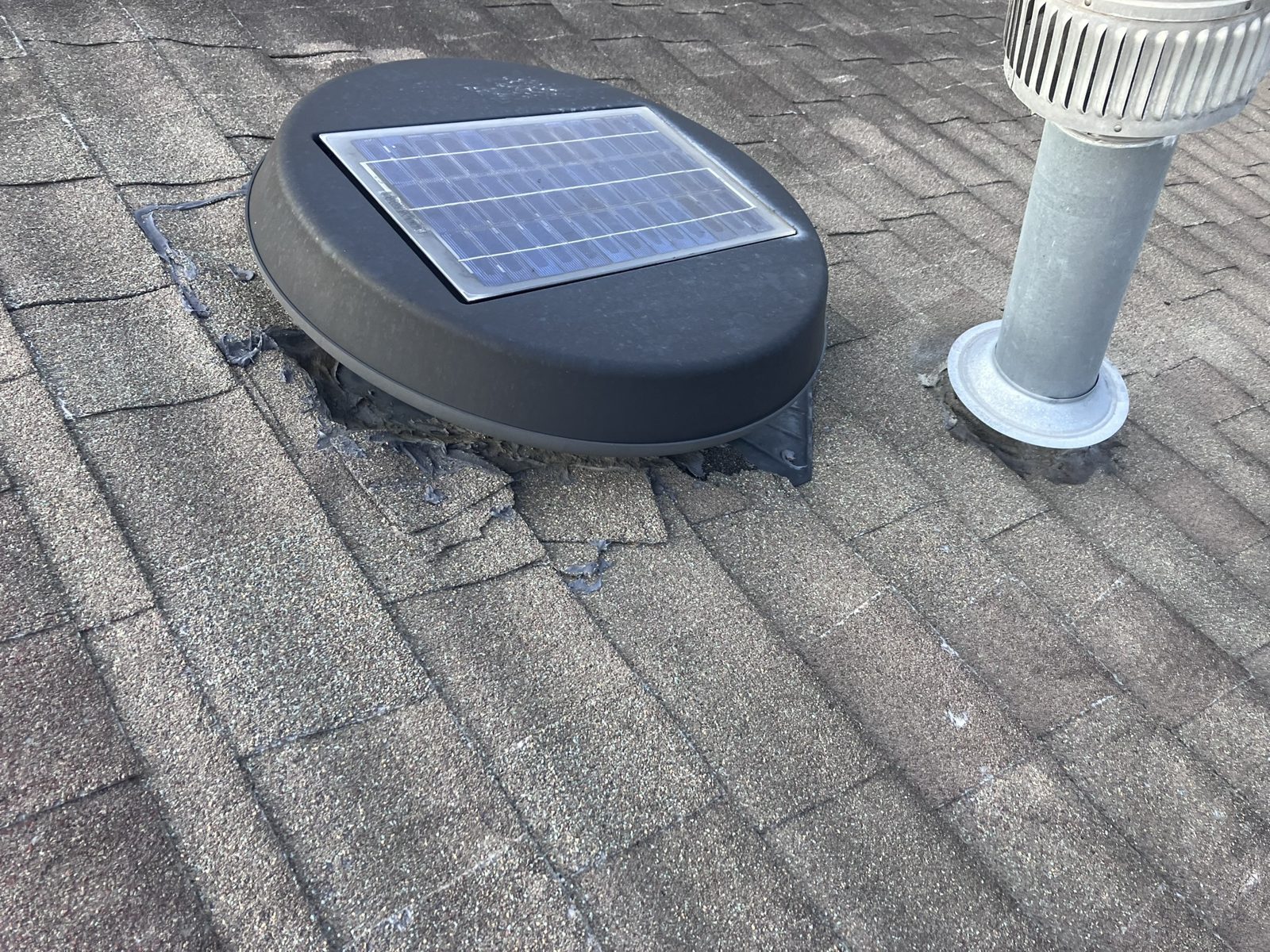
- Powered or solar attic fans — move a lot of air, but only help when intake is adequate and the attic design calls for them. The wrong fan can pull conditioned air from the house.
Hip roofs with a short ridge need a different exhaust plan than a long gable ridge. Mixing several exhaust types in one attic can short-circuit airflow (vents pulling from each other instead of from the soffits).
Signs It Is Worth a Look
- Attic that feels extreme on a summer afternoon
- Condensation, musty smell, or moisture staining under the deck
- Soffit vents painted shut, screened shut, or buried in insulation
- Bath or dryer ducts dumping into the attic instead of outdoors
- A roof repair or roof replacement coming up — ventilation is cheapest to fix when the roof is already open
Heat alone does not prove a ventilation defect. Leaks, indoor air leakage, and ducts in the attic can look similar. That is why we look at the roof and the attic together.
What We Install
We handle ventilation as its own job or as part of a repair or replacement:
- Ridge vents
- Adding or opening soffit vents so intake is not blocked
- Static (box) vents and turbine vents
- Powered and solar attic fans, when the attic actually needs them
- Bath and dryer vents that dump into the attic instead of going outdoors
Roof Ventilation Photos

Our Process
1. Free inspection
2. Written findings
3. Scope and price
4. Install
5. Clean-up and walk-through
You do not need a new roof to get this work done. Opening soffits, adding intake, correcting exhaust, fixing bath or dryer ducts, and patching vents that should not be there can all stand on their own. Ridge vent is simplest during a replacement, but many upgrades do not wait for one.
Financing
Financing is available on qualifying work. Ask about it when you get your estimate, or see Financing Options.
Roof Ventilation FAQ
Do I need a powered attic fan?
Can you improve ventilation without replacing the roof?
Does ventilation lower my electric bill?
What about spray-foam attics?
Hot Attic? Call 418-ROOF
Call or text (210) 418-ROOF, 7 AM to 7 PM. We will inspect the roof and attic airflow and give you a straight written answer.
Related: Roof Replacement · Roof Repair · Construction · Financing
